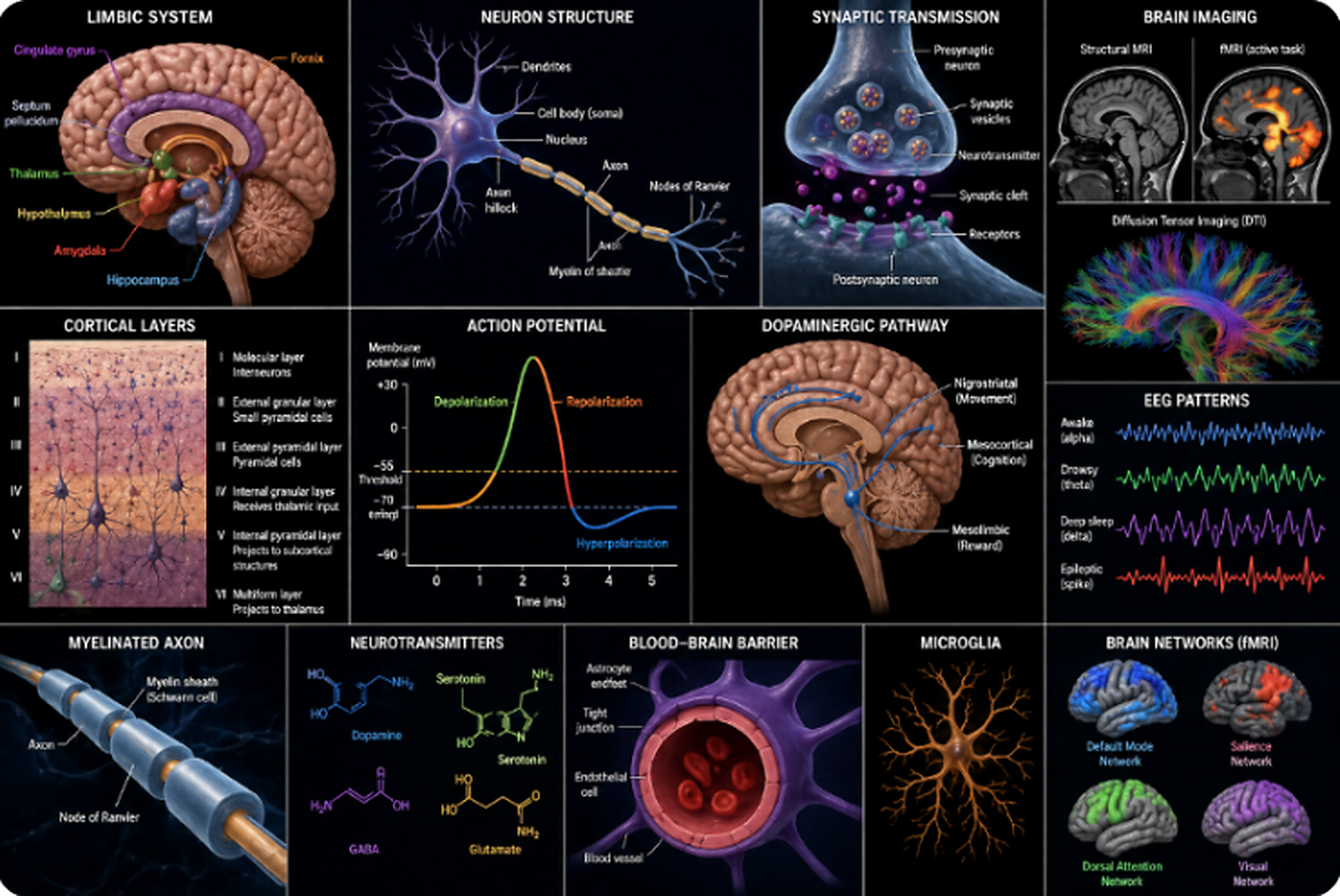
Undergraduate Neuroscience
Build a strong foundation in brain science, neural circuitry, neuroanatomy, cognition, and action potentials.
SlidesFlashcardsTextTestingVoice Review
Start Track
NeuroVault Learning App
Welcome to NeuroVault. Structured tracks from foundation to specialization, with clinical neurology, neuroscience fundamentals, flashcards, assessments, AI tutoring, and progress analytics in one Precision Health learning workspace.
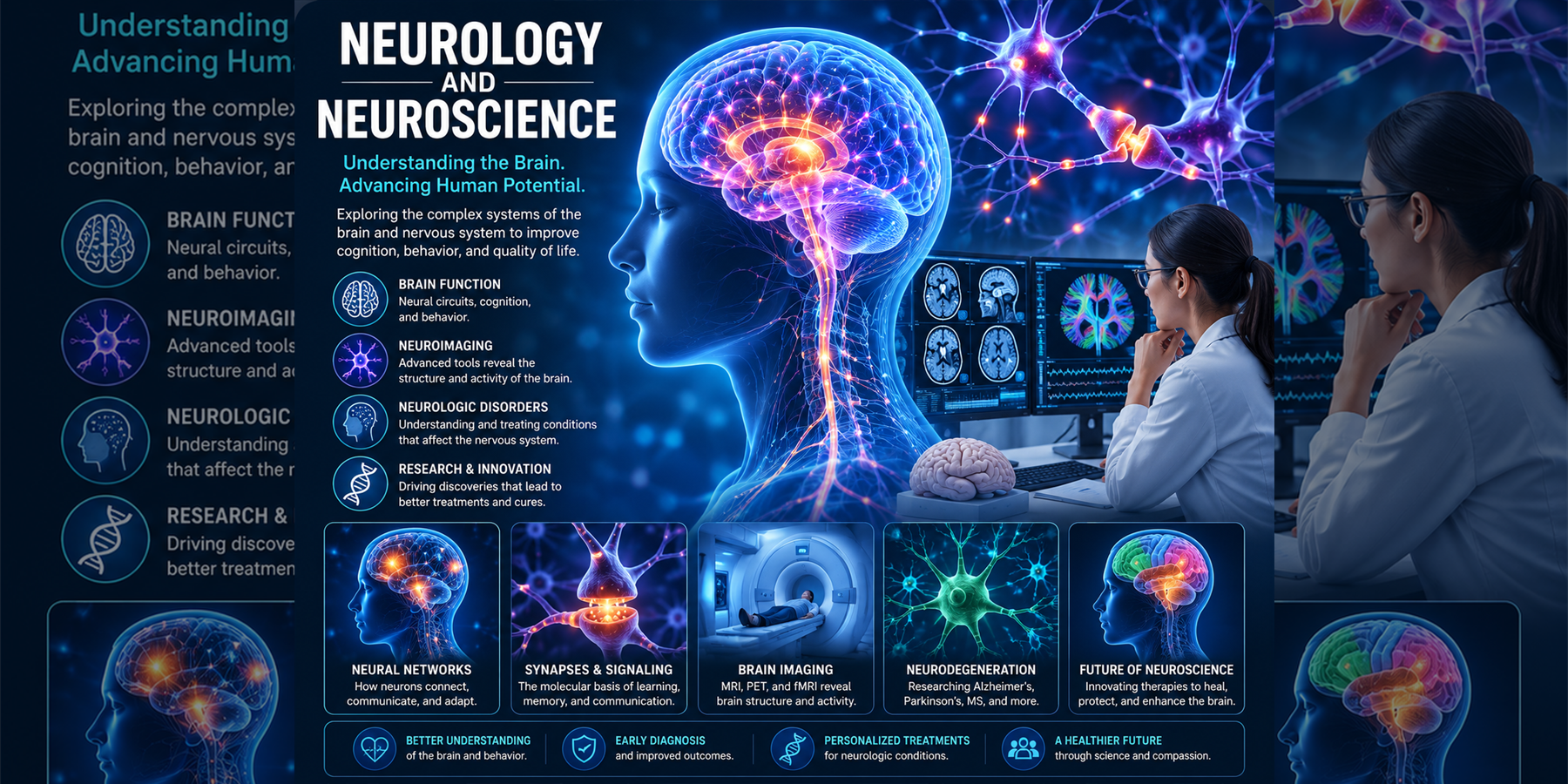
Dashboard
Four color-coded pathways organize neuroscience learning around the same study loop: slides, flashcards, text review, testing, and voice review.
Build a strong foundation in brain science, neural circuitry, neuroanatomy, cognition, and action potentials.
Clinical neuroscience for medical students, including stroke, movement disorders, migraine, MS, and emergency decision-making.
High-yield review for board examinations with vignettes, mechanism questions, and management pathways.
Advanced topics for research-oriented learners, including resting-state networks, default mode network science, and neuroimmunology.
Home
The NeuroVault home screen keeps learners moving with a daily goal, review queue, quick testing, and focused weak-area prompts.
Knowledge Base
Search, filter, and launch concise neuroscience references grouped by foundational, intermediate, and advanced difficulty.
Advanced review of attentional networks, the default mode network, resting-state connectivity, and cognition.
Open PDFMicroglial biology, inflammatory pathways, pattern recognition receptors, and cytokine signaling.
Membrane potential, ion channel gating, action potential generation, and refractory periods.
Open NeuroAgentix Neuroscience PageWorking memory models, prefrontal circuitry, executive control networks, and attention switching.
Synaptic plasticity, structural change, rehabilitation, learning, and recovery after injury.
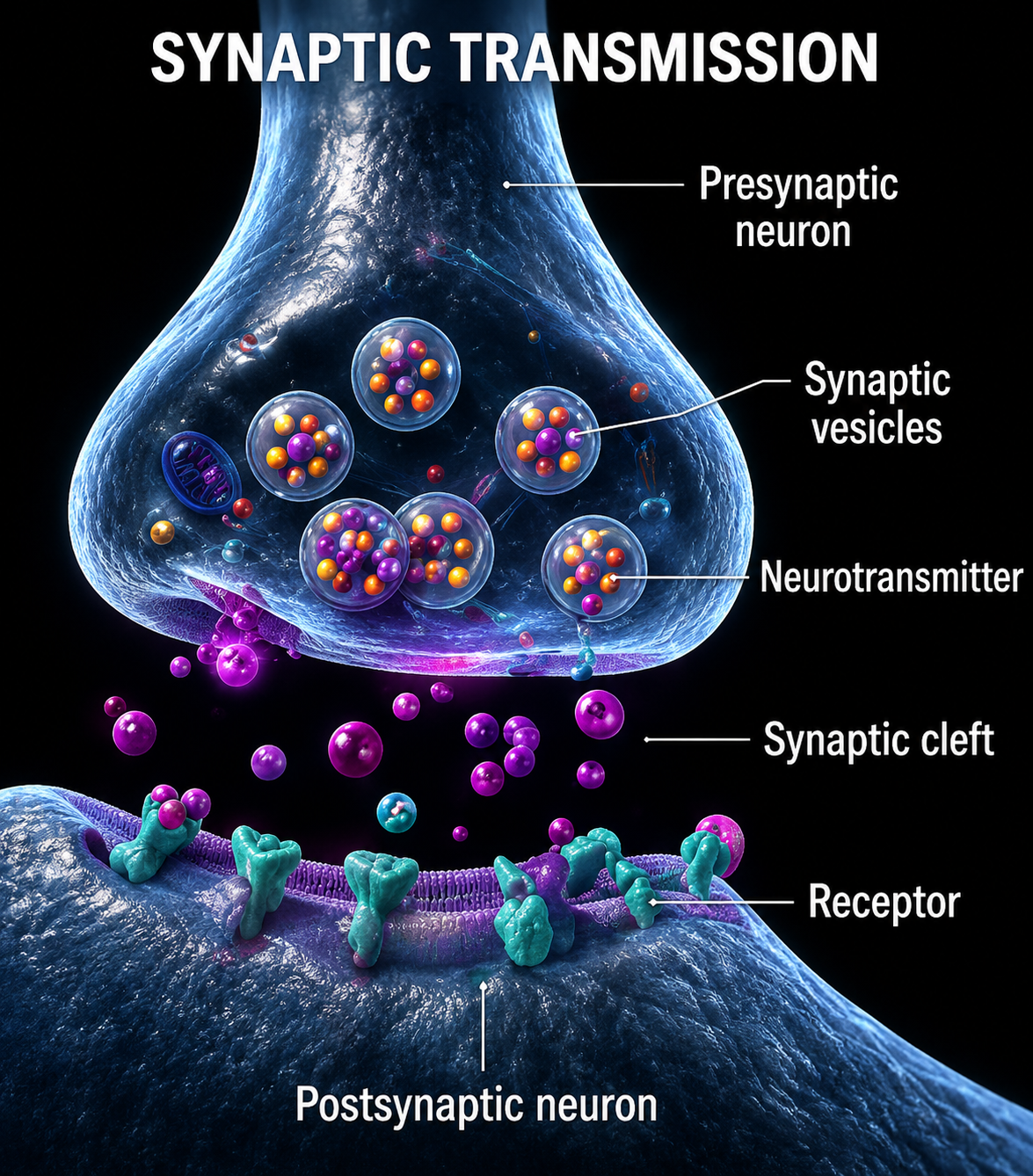
Neuronal anatomy, cell bodies, dendrites, axons, myelin, synapses, and signaling basics.
AQP4-IgG disease, area postrema syndrome, optic neuritis, astrocytopathy, and diagnosis.
TDP-43 pathology, motor neuron degeneration, RNA processing defects, and clinical presentation.
Fiber type, distribution, tempo, nerve conduction, and clinical localization.
Ischemic and hemorrhagic stroke, vascular territory, imaging, thrombolysis, and thrombectomy.
Dopaminergic neuron loss, basal ganglia circuitry, motor symptoms, and therapy.
Interactive Slides
The core slide viewer preserves the NeuroVault learning style while presenting each lesson in a Precision Health visual container.
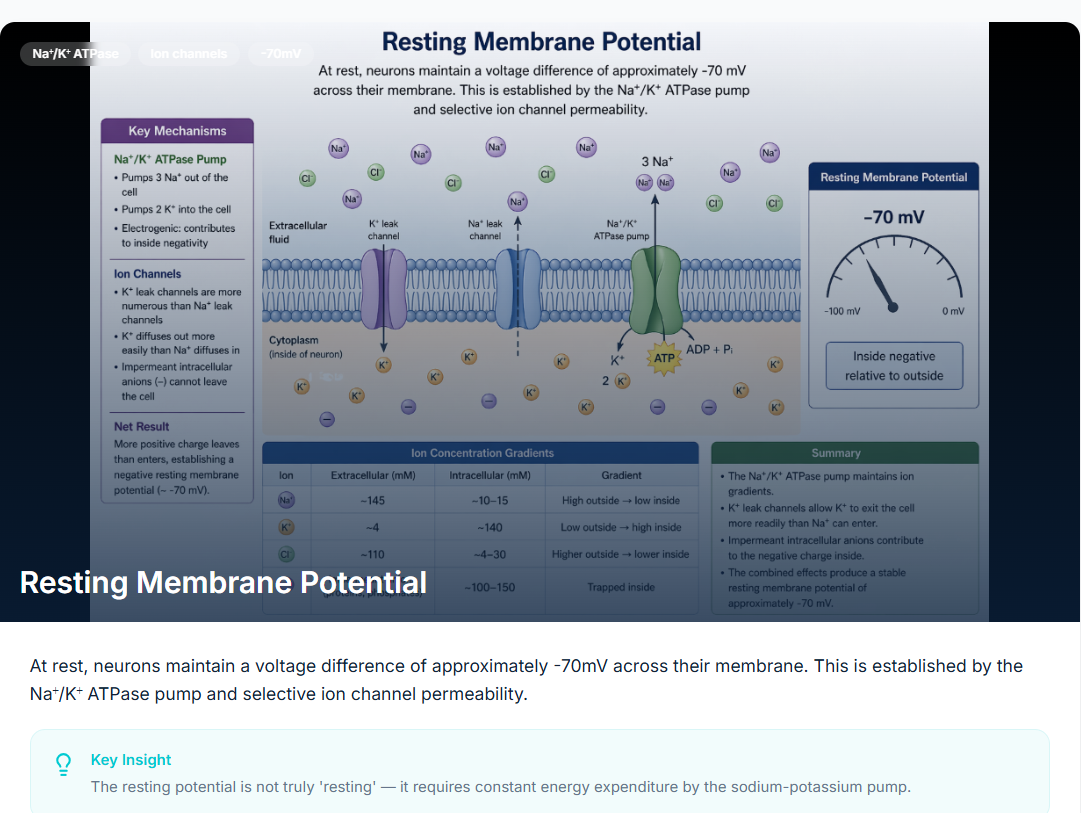
ACTION POTENTIALS - 1 / 3
At rest, neurons maintain a voltage difference of approximately -70 mV across their membrane. This is established by the Na+/K+ ATPase pump and selective ion channel permeability.
The resting potential is not truly resting; it requires constant energy expenditure by the sodium-potassium pump.
Active Recall
Cards mimic the NeuroVault learn, review, and exam modes with reveal states, related concepts, and difficulty grading.
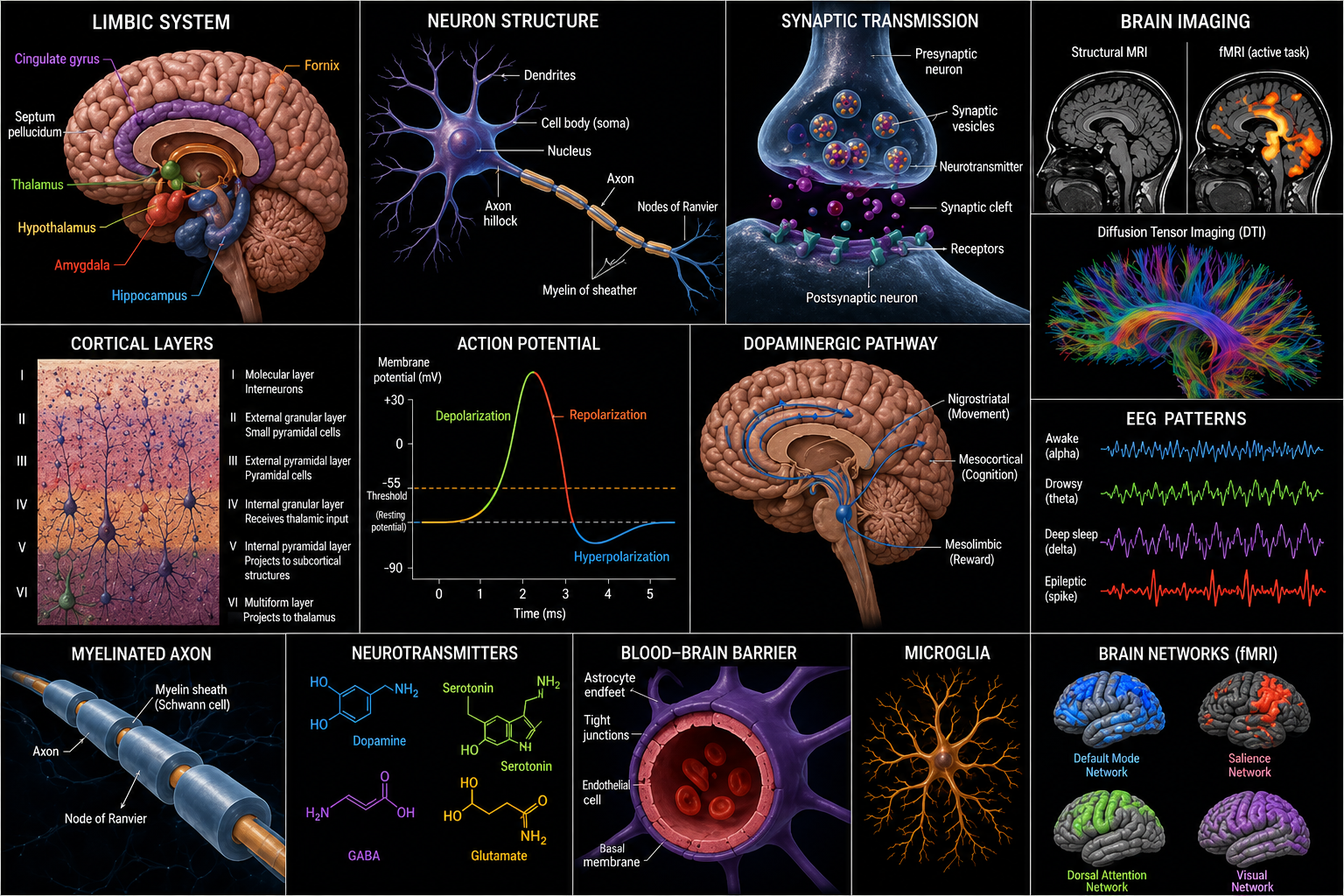
Card 1 of 4
Assessments
Fourteen uploaded question states have been converted into an interactive assessment with color-coded answer feedback and explanations.
AI Tutor
Voice and text tutor flows support teach, ask, and exam modes with clickable prompt chips.
Parkinson's disease is a progressive neurodegenerative disorder caused by loss of dopaminergic neurons in the substantia nigra pars compacta. This reduces dopamine in the basal ganglia and disrupts direct and indirect motor pathways.
Use this mode to compare pathways, clarify localization, or request a concise teaching explanation for topics such as basal ganglia dysfunction, migraine mechanisms, or neuroinflammation.
The tutor can convert a concept into a vignette, ask for the best next diagnostic step, and explain why each distractor is less appropriate.
Progress & Analytics
Progress panels mirror the uploaded NeuroVault analytics view with XP, accuracy, study hours, and topic mastery.