Personalized Pathways
Integrated care pathways combine diagnostics, genomics, imaging, pharmacogenomics, behavioral care, and longitudinal monitoring.
Integrated Precision Care
Comprehensive management of complex conditions through integrated precision care pathways, combining genomics, AI, digital health, behavioral medicine, and multidisciplinary collaboration.
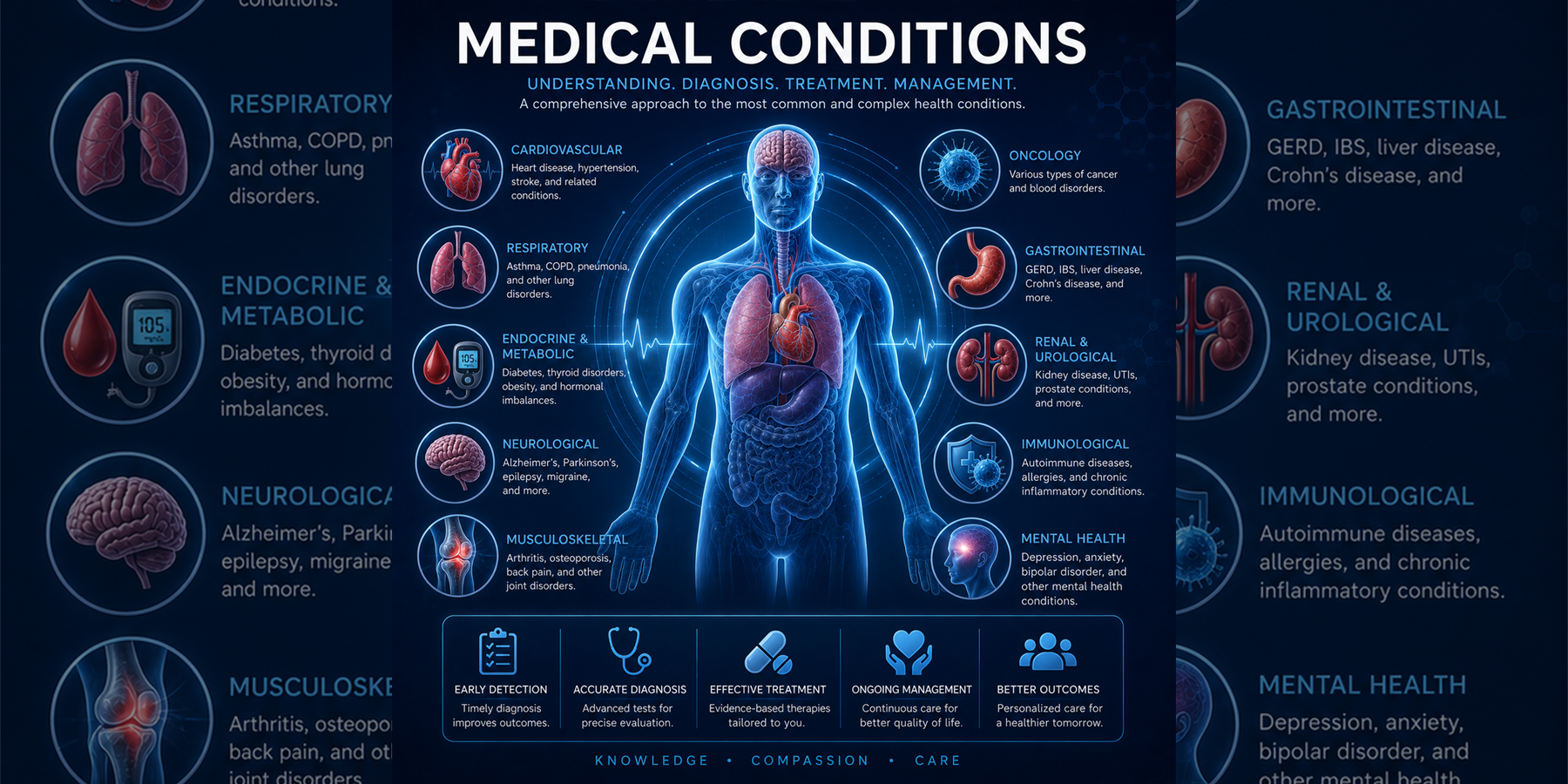
Abstract
Management of complex medical conditions is shifting from generalized protocols toward personalized, coordinated, and data-driven healthcare tailored to each patient's biology, comorbidities, environment, behavior, and risk profile.
Integrated care pathways combine diagnostics, genomics, imaging, pharmacogenomics, behavioral care, and longitudinal monitoring.
Physicians, nurses, pharmacists, genetic counselors, nutritionists, therapists, mental health professionals, and data scientists coordinate care.
AI, wearables, electronic records, remote monitoring, and predictive analytics support proactive intervention and safer care.
Parts I-II
Complex medical conditions often involve multiple physiological systems, chronic progression, multimorbidity, and difficult treatment decisions.
Care increasingly relies on tumor profiling, biomarkers, targeted therapy, immunotherapy, imaging, and multidisciplinary planning.
Launch Cancer Oncology AppRisk profiling, imaging, genomics, medications, lifestyle care, and monitoring help prevent events and guide treatment.
Glucose data, kidney risk, cardiovascular prevention, nutrition, medication optimization, and behavioral support work together.
Aging populations often need coordinated plans that balance multiple diseases, medications, goals, and safety risks.
Part III
Next-generation sequencing helps identify genetic mutations associated with disease susceptibility, progression, drug response, and targeted treatment options.
Tumor molecular profiling can identify actionable mutations, treatment resistance patterns, immunotherapy markers, and clinical trial options.
Launch Cancer Oncology AppGenome and exome sequencing can shorten diagnostic odysseys and identify inherited or de novo pathogenic variants.
Genetic variation affects drug metabolism and therapeutic response, helping optimize medication selection, dose, and safety.
Validated biomarkers can guide targeted therapy, patient stratification, risk assessment, and monitoring.
Part IV
Artificial intelligence and digital health systems make complex care more data-driven, continuous, and proactive.
Machine learning analyzes imaging, genomic data, laboratory results, pathology, and EHRs to identify disease patterns and predict outcomes.
Wearables and digital health platforms enable early detection of deterioration and proactive intervention.
Integrated health records support provider coordination, predictive analytics, population health, and personalized care planning.
Part V
Precision care pathways are applied across major disease categories, supporting individualized and data-driven clinical strategies.
Integrated pathways combine risk scoring, imaging, genomics, medication optimization, lifestyle intervention, and remote monitoring.
Precision diabetes care integrates glucose monitoring, kidney and cardiovascular risk, pharmacology, nutrition, and behavioral coaching.
Neurodegenerative and neurologic conditions benefit from imaging, genomics, cognitive monitoring, biomarkers, and coordinated long-term care.
Autoimmune disorders involve complex immune dysregulation requiring individualized strategies and biomarker-guided treatment.
Rare disease pathways combine genomic diagnosis, specialty referral, family counseling, targeted therapy, and long-term monitoring.
Part VI
Complex disease management extends beyond biology and must address behavior, mental health, and socioeconomic context.
Part VII
Precision care must be deployed responsibly, equitably, and securely.
Large volumes of sensitive personal health data require strong cybersecurity and regulatory compliance.
Advanced diagnostics and therapies may not be equally accessible, risking wider disparities.
Precision care infrastructure requires significant investment that may limit adoption.
Many systems lack integrated data platforms and AI-ready clinical workflows.
Genomic data can raise concerns about insurance, employment, and social misuse.
AI trained on non-diverse datasets may produce inequitable recommendations.
Part VIII
The future of complex disease management is increasingly predictive, preventive, and personalized.
AI systems can identify disease risk and predict complications before symptoms develop.
Computational patient models can simulate disease progression and treatment response.
Population-scale genomic, environmental, and social data can improve prevention strategies.
Real-time recommendations can integrate biological and clinical data at the point of care.
Care can shift toward disease prevention through individualized risk profiling and lifestyle guidance.
References
Ashley, E. A. (2016). Towards Precision Medicine. Nature Reviews Genetics, 17(9), 507-522.
Centers for Disease Control and Prevention. (2025). Chronic Disease Prevention and Health Promotion.
Esteva, A., et al. (2019). A Guide to Deep Learning in Healthcare. Nature Medicine, 25(1), 24-29.
FDA. (2026). Table of Pharmacogenomic Biomarkers in Drug Labeling.
Ginsburg, G. S., & Phillips, K. A. (2018). Precision Medicine: From Science to Value. Health Affairs, 37(5), 694-701.
Hasanzad, M., et al. (2021). Genomic Medicine on the Frontier of Precision Medicine. Current Genomics, 22(5), 353-364.
National Institutes of Health. (2025). The Promise of Precision Medicine.
Topol, E. (2019). High-Performance Medicine: The Convergence of Human and Artificial Intelligence. Nature Medicine, 25(1), 44-56.
World Health Organization. (2025). Social Determinants of Health.
Yousefi, S., et al. (2023). Artificial Intelligence and Precision Medicine in Chronic Disease Management. Frontiers in Digital Health, 5, 1123456.
FAQ
Evidence-based answers about complex conditions, genomics, AI, behavioral health, and care challenges.
Common chronic diseases usually arise from interactions among genetic risk, molecular pathways, inflammation, metabolism, environment, behavior, aging, and social factors. Precision care attempts to map these contributors for each patient.
Genomics can identify inherited risk, disease-driving mutations, molecular subtypes, medication response differences, and family risk patterns that guide prevention, diagnosis, and treatment.
AI supports image interpretation, risk prediction, EHR analysis, clinical decision support, remote monitoring, patient stratification, and earlier detection of deterioration.
Sleep, nutrition, physical activity, smoking, stress, adherence, social support, and mental health strongly influence disease progression and treatment outcomes.
Major challenges include fragmented care, multimorbidity, medication interactions, inequitable access, data privacy, cost, limited infrastructure, algorithm bias, and difficulty coordinating long-term monitoring.